Can You Refuse a Field Sobriety Test in Minnesota?
Yes, you can refuse a field sobriety test in Minnesota. And if you have been drinking, in many situations, you probably should.
Refusing can limit the amount of evidence used against you, even though it may increase suspicion and doesn’t prevent a potential arrest.
However, it’s important to understand that not all tests are treated the same under Minnesota law. While you can refuse field sobriety tests and roadside preliminary breath tests (PBTs) without criminal penalties, refusing a formal chemical test after arrest (such as a breath test at the police station) is a crime.
If you’re trying to understand what to do, or understand what already happened, this guide walks through how these decisions actually play out in real Minnesota DWI cases.
What Is a Field Sobriety Test?
Field sobriety tests are roadside exercises used by law enforcement to look for signs of impairment during a DWI stop. They’re designed to divide your attention between physical movement and mental focus, which is something that becomes more difficult when a person is under the influence.
The most common tests include:
Walking heel-to-toe in a straight line (Walk-and-Turn test)
Standing on one leg (One-Leg Stand test)
Following an object with your eyes (Horizontal Gaze Nystagmus (HGN) test)
These are known as “standardized” tests, but in practice they are still highly subjective. An officer is not plugging your performance into a machine and getting a score. Instead, they’re observing you and making a judgment call.
That subjectivity matters. People can appear to “fail” these tests for reasons that have nothing to do with alcohol or drugs. Nervousness, uneven pavement, poor lighting, weather conditions, injuries, or even just not understanding the instructions clearly can impact performance.
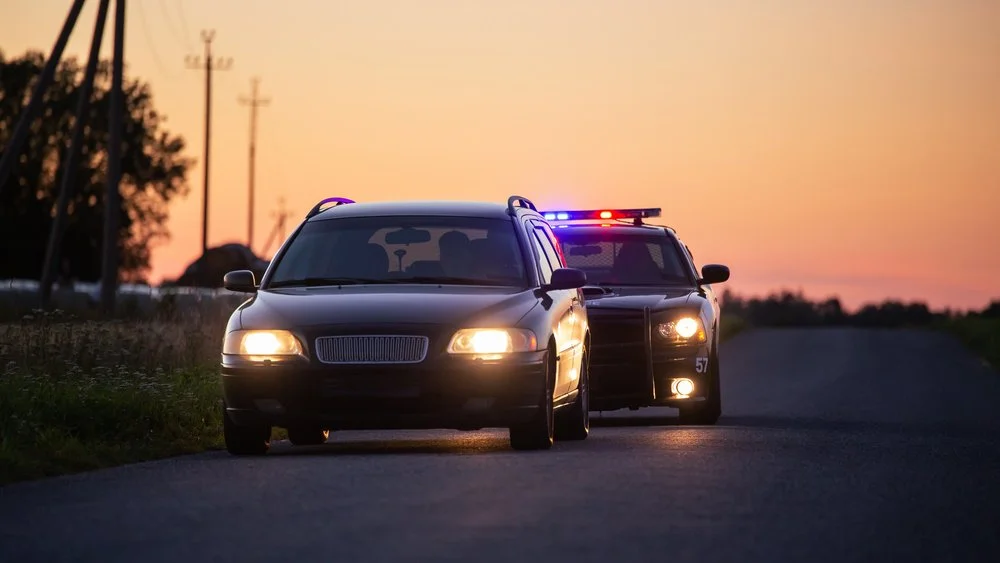
Are You Required to Take Field Sobriety Tests in Minnesota?
No. Field sobriety tests are voluntary in Minnesota.
You are legally allowed to refuse to perform them, and you will not be charged with a separate crime simply for saying no. That’s an important distinction, especially because many people confuse these roadside tests with chemical testing, which carries very different rules.
But while refusal is legal, it still has consequences in how your case unfolds. The officer is not required to give you the benefit of the doubt just because you declined. Instead, they will move forward based on everything else they’ve observed.
Why Officers Use Field Sobriety Tests
By the time an officer asks you to perform field sobriety tests, they are usually already building a case for a DWI. The stop itself may have involved some driving behavior that drew attention, and the officer has already begun noting details like your speech, your appearance, and whether they smell alcohol.
The tests are used to add more observations and pieces of evidence that can later be described in a police report or testified to in court. In that sense, field sobriety tests are less about giving you a fair “pass/fail” opportunity and more about strengthening the officer’s narrative.
If you perform the tests, the officer will document every perceived mistake or indicator of impairment. If you refuse, that decision itself becomes part of the narrative.
What Happens After You Refuse
Refusing a field sobriety test does not end the interaction. It simply shifts what the officer relies on.
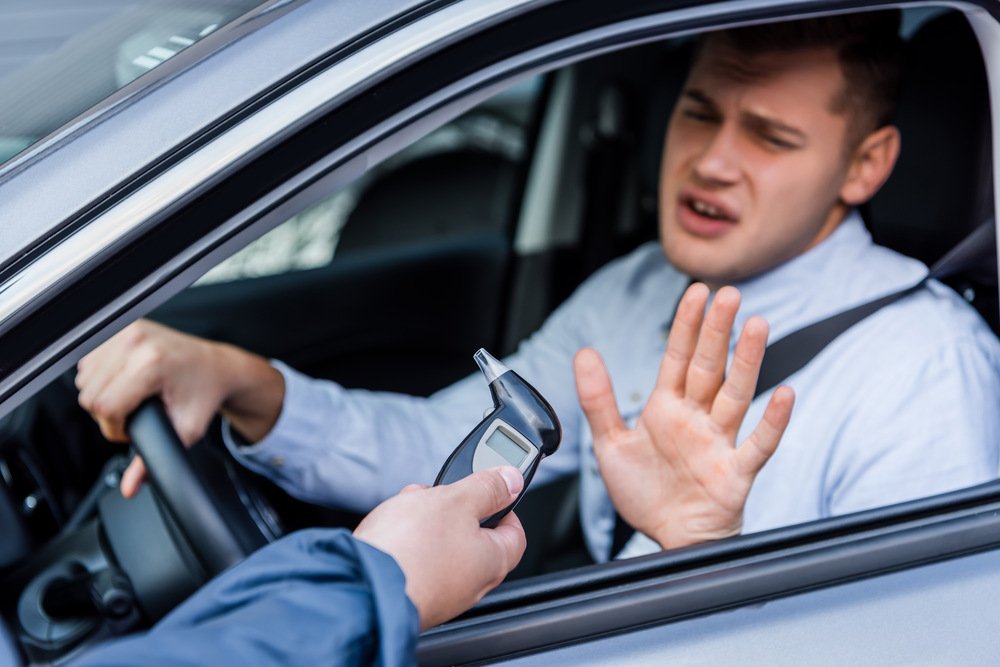
In most cases, the officer will continue the investigation and may ask you to take a preliminary breath test (PBT) at the scene. This handheld test is used to help officers decide whether to make an arrest.
Whether you refused or performed field sobriety tests, a PBT is often the next step.
The officer will evaluate the entire situation:
The reason for the stop
Your driving
Your physical appearance
Your behavior
Anything you said
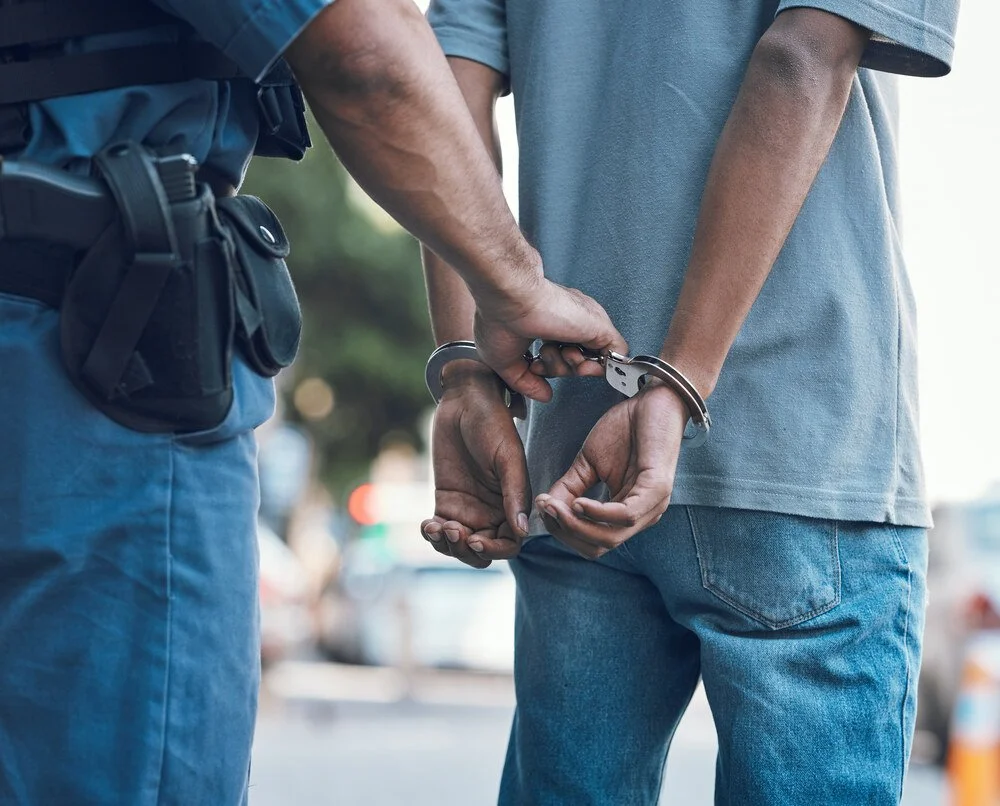
They’ll use this information to decide whether there is probable cause to arrest you for a DWI.
Field Sobriety Tests vs. PBT vs. DMT
This is one of the most important distinctions in Minnesota DWI law, and it’s where many people get confused.
Field sobriety tests are voluntary. The preliminary breath test (PBT), which is done on the roadside, is also voluntary in the sense that refusing it is not a crime.
The PBT is a handheld device used before arrest to help determine whether an officer has probable cause. While the result can influence the officer’s decision to arrest, it generally cannot be used as direct evidence of guilt at trial.
However, both field sobriety tests and the PBT are tools used to build a case.
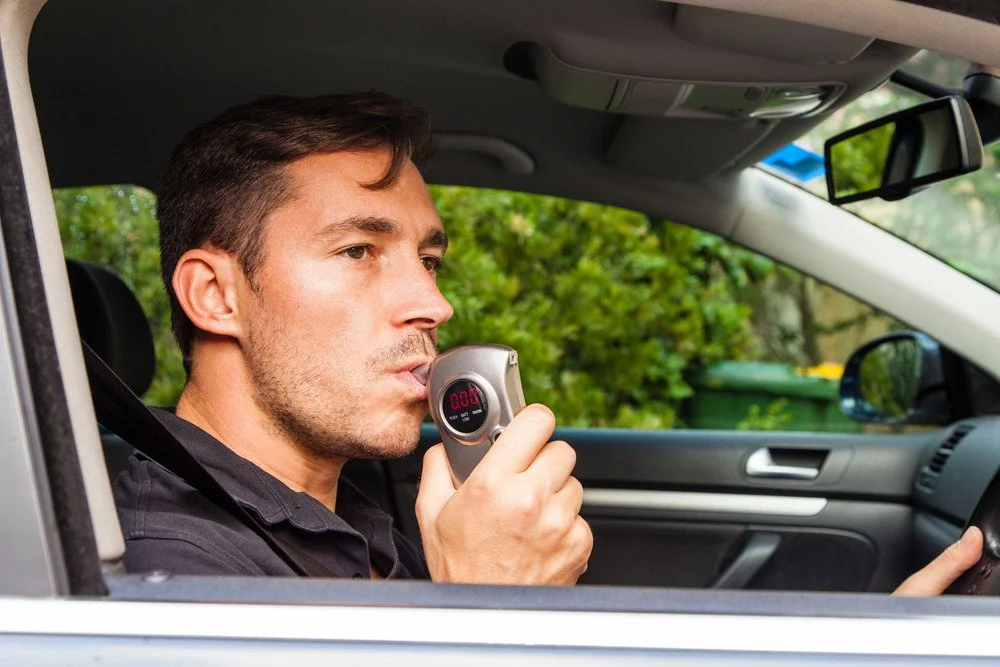
If you are arrested, the situation changes. At that point, the officer will request a formal chemical test, often a breath test at the station using a DataMaster (DMT).
Under Minnesota’s implied consent law, refusing that post-arrest chemical test is a separate criminal offense and can carry penalties equal to or greater than the consequences of taking the test.
That means:
You can refuse field sobriety tests
You can refuse the PBT
But refusing the official breath, blood, or urine test at the police station after an arrest is a crime
Understanding that distinction is critical.
The Decision to Refuse a Field Sobriety Test
The decision to take or refuse field sobriety tests is ultimately a strategic one.
If you have been drinking, performing the tests often gives the officer additional evidence to use against you. These tests are designed to detect impairment, and officers are trained to identify even minor “clues” that suggest intoxication.
To avoid additional evidence against you, you may want to refuse the field sobriety test and PBT. Even small mistakes in a field sobriety test can be written into a report in a way that strengthens the case against you.
By refusing, you limit that specific category of evidence. There are no balance tests or divided-attention exercises for the officer to describe later. In some cases, that can make it more difficult for a prosecutor to prove impairment, especially if other evidence is weak.
However, refusal does not prevent an arrest. It may increase suspicion, and the officer will rely on this and other clues of impairment to proceed further with their investigation.
Common Misconceptions About Refusing Field Sobriety Tests
One of the biggest issues people run into with DWI stops is acting on bad or oversimplified advice. There’s a lot of information online, and a lot of it lacks context. That’s especially true when it comes to field sobriety tests.
A common belief is that refusing a test automatically hurts your case. In reality, if you have been drinking, performing field sobriety tests often gives law enforcement additional evidence to use against you. These tests are specifically designed to detect impairment, and officers are trained to identify even minor “clues” that suggest intoxication. In that sense, agreeing to the tests can sometimes do more harm than good.
At the same time, officers rarely rely on just one piece of evidence. By the time tests are requested, they often already have several observations documented, and a refusal simply becomes another factor layered on top. Refusing doesn’t stop the investigation, it just limits one category of evidence.
Another misconception is that people who are sober will “pass” field sobriety tests without issue. In reality, many completely sober individuals struggle with these exercises. They can be awkward, unfamiliar, and conducted under stressful conditions such as:
On the side of a road
With traffic passing by
Late at night
Even small missteps, like starting too soon or losing balance for a moment, can be written down as indicators of impairment. That means agreeing to the tests does not guarantee that you’ll come across as unimpaired. And if you have been drinking, the risk of appearing impaired only increases.
There’s also a tendency to confuse field sobriety tests with chemical testing. Some drivers believe that if they refuse everything, they are protecting themselves across the board. That’s not how Minnesota law works. Refusing a roadside field sobriety or PBT test is very different from refusing a formal chemical DMT test after arrest.
Many people assume that whatever happens on the roadside determines the outcome of their case. While that moment is important, it is far from the final word. DWI cases are built and challenged over time, and what initially seems damaging may later be questioned or excluded depending on how the evidence was obtained and handled.
Understanding these misconceptions is important because it shifts the focus away from trying to “pass” roadside tests and toward limiting unnecessary evidence. There is no perfect script in a DWI stop, but if you have been drinking, giving law enforcement fewer opportunities to build a case against you can be an important consideration.
How Refusal Is Viewed Later
Even though refusing a field sobriety test is within your rights, it can affect your case later, but not always in the way people assume.
If your case goes to court, the officer will still testify about the interaction. That testimony may include your refusal, along with everything else they observed. Prosecutors may try to frame that refusal as an attempt to avoid confirming impairment.
However, from a defense perspective, the absence of field sobriety tests can also matter. These tests are often a key part of how the state attempts to prove impairment. Without them, the case may rely more heavily on subjective observations or chemical test results.
In some situations, if a chemical test is later challenged or excluded, the lack of field sobriety test evidence can make it significantly more difficult for the prosecution to prove impairment beyond a reasonable doubt.
How all of this plays out depends heavily on the surrounding facts. A refusal paired with weak initial evidence may look very different than a refusal following erratic driving and obvious signs of intoxication.
This is why DWI cases are rarely decided based on a single factor. They are built from layers of evidence, each one contributing to the overall picture.
What to Focus on During a DWI Stop
If you are pulled over on suspicion of DWI, the most important thing you can do is stay calm and controlled. The interaction is being observed and, in many cases, recorded. How you speak, move, and respond all become part of the record.
You are required to provide identification and follow lawful instructions, such as stepping out of the vehicle if asked. Beyond that, you are not required to answer questions that may incriminate you, and you are not required to perform field sobriety tests or take a preliminary breath test.
If you choose to refuse, how you refuse matters. A calm, respectful response is very different from an argumentative or confrontational one. Escalation can quickly make a situation worse and introduce additional issues that have nothing to do with impairment.
Building a Defense After the Fact
Whether you took the tests or refused them, the focus in a DWI case quickly shifts to the evidence and how it was collected.
An experienced defense attorney will look at:
The legality of the stop
Whether the officer had a valid basis to investigate for DWI
How the interaction was conducted
Whether proper procedures were followed throughout
The reliability and administration of field sobriety tests, if they were performed
The surrounding circumstances if a field sobriety test was refused
Chemical testing, if it occurred, opens another layer of potential issues, including how the test was administered and whether the results are reliable.
In other words, the roadside decision is only one piece of a much larger puzzle. Even if that moment didn’t go perfectly, it doesn’t solely determine the final outcome of the case.
Charged With a DWI? Talk to Lushanko Law
If you’ve been charged with a DWI in Minneapolis or anywhere in Minnesota, the most important step you can take now is getting clear, informed legal guidance.
DWI cases move quickly, and the consequences can affect your license, your record, and your future. But every case has details that matter, and those details can create opportunities to challenge the state’s evidence.
Lushanko Law works with clients to break down what happened, identify weaknesses in the case, and develop a strategy tailored to the specific facts. Whether you refused field sobriety tests, took them, or are unsure what your options are moving forward, having an experienced defense attorney on your side can make a huge difference.
If you’re dealing with a DWI charge, reach out to Lushanko Law to discuss your situation and get straightforward answers about what comes next.