An object does not have to be a gun or a knife to be considered a dangerous weapon. Under Minnesota law, an ordinary item can qualify as a dangerous weapon if it is used to cause serious harm or death. This means items like bricks, beer bottles, or belts could cause an otherwise misdemeanor-level offense to support a charge of felony second-degree assault if they were used to hurt someone.
Since these situations can escalate quickly, it’s important to consult an experienced criminal defense attorney if you or someone you care about is facing an assault charge (especially if a dangerous weapon was involved).
What Is Considered a Dangerous Weapon in Minnesota?
In Minnesota, a dangerous weapon is any object that is either designed as a weapon capable of causing death or great bodily harm or is used in a way that is likely to cause great bodily harm or death. This means an everyday item can become a dangerous weapon in the right circumstances.
Minnesota Statutes § 609.02, defines a dangerous weapon as any of the following:
Any firearm, whether loaded or unloaded.
Any device designed as a weapon and capable of producing death or great bodily harm.
Any other device or instrumentality that, in the manner it is used or intended to be used, is calculated or likely to produce death or great bodily harm.
Any combustible or flammable liquid, or any fire, used to produce death or great bodily harm.
Note that the State of Minnesota uses the phrase great bodily harm which is an injury that creates a high probability of death, causes serious permanent disfigurement, or causes a permanent or protracted loss or impairment of a body part or organ.
There is also substantial bodily harm which is a step down from great, but is used to describe injuries that cause serious temporary disfigurement, impairment, or fracture. The key distinction between the two is permanent vs temporary.
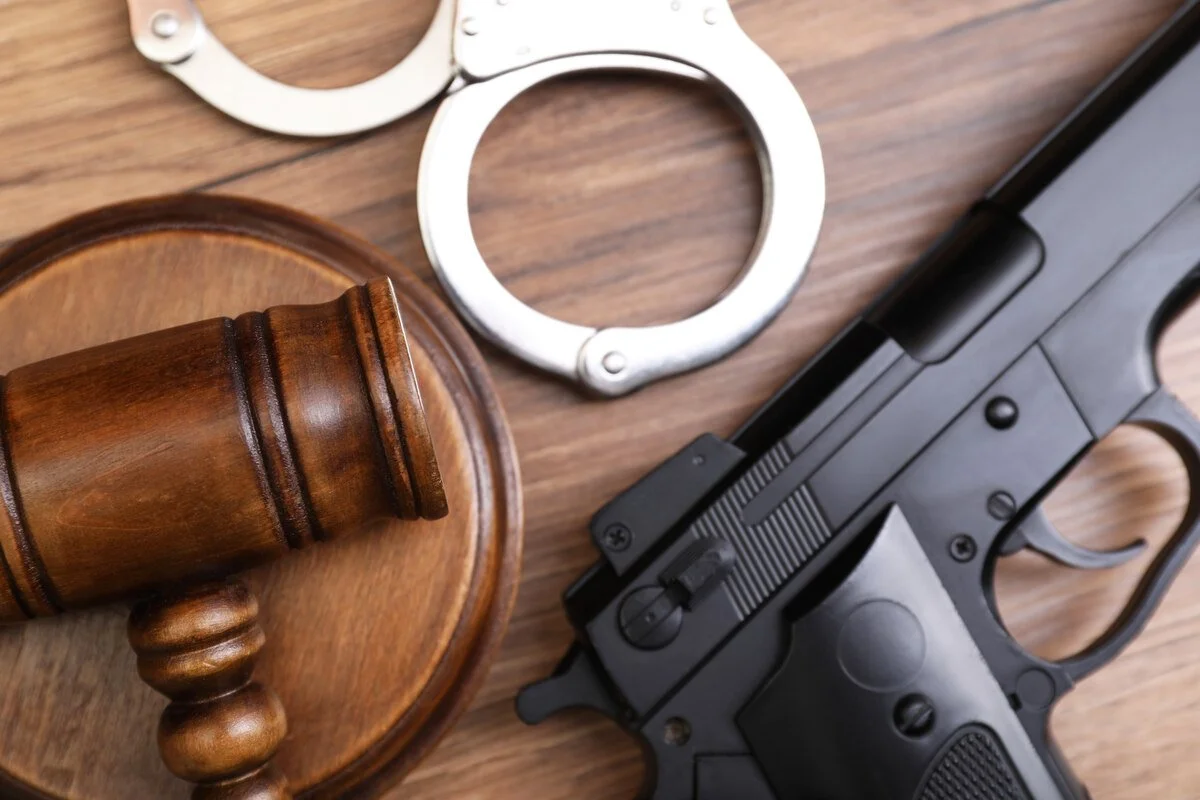
Minnesota's Legal Definition of a Dangerous Weapon
Here is how the main statutory categories break down.
Firearms
Because a firearm is expressly included in Minnesota's definition, the State does not need to prove that it was loaded or discharged. They just need to prove that the defendant committed an assault with the firearm.
Objects Designed as Weapons
Some items are designed to be weapons capable of causing death or great bodily harm, such as certain knives, daggers, metal knuckles, and clubs.
However, not every knife or bladed object automatically qualifies as a dangerous weapon in every circumstance. A kitchen knife, utility knife, pocket knife, box cutter, or pair of scissors may be treated differently depending on the characteristics of the object and the circumstances in which it was used or intended to be used. The State may need to establish that the object was designed as a weapon and capable of producing death or great bodily harm, or that it was used or intended to be used in a manner calculated or likely to produce death or great bodily harm.
In other words, the fact that an object has a blade or sharp edge does not by itself answer whether it is a “dangerous weapon” under Minnesota law. The object's characteristics, manner of use, intended use, and surrounding circumstances can all matter.
Everyday Objects Used as Weapons
Minnesota's definition is broad enough to reach objects with ordinary, lawful uses, such as baseball bats, broom handles, hammers, glass bottles, rocks, vehicles, and BB guns. Whether one qualifies usually depends on the facts rather than the object's name; courts describe the definition as broad and focus on the manner of use and surrounding circumstances.
Fire and Flammable or Combustible Liquids
Fire and qualifying flammable or combustible liquids can fall within the definition when they are used or intended to produce death or great bodily harm.
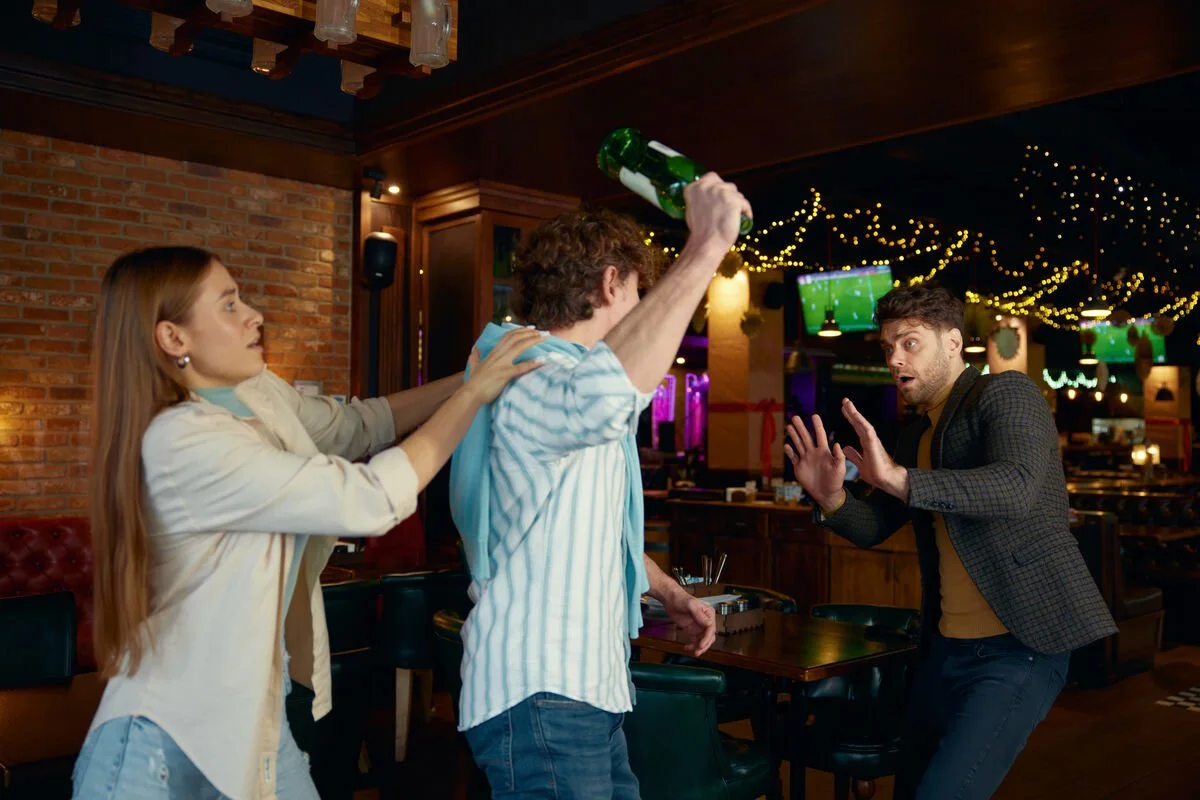
Common Examples of Dangerous Weapons
The table below is a general guide, not a case-by-case guarantee.
| Object | Can It Be a Dangerous Weapon? | Key Consideration |
|---|---|---|
| Firearm | Yes | Doesn’t matter if it’s loaded or unloaded |
| Knife | Yes, depending on use | Design, size, capability, and manner of use |
| Baseball bat | Yes, depending on use | How it was swung, where it was aimed, and the force involved |
| Hammer or other tool | Yes, depending on use | Whether it was used or intended to cause severe injury |
| Broken bottle | Yes, depending on use | Sharp edges, threats, distance, and intended target |
| Broom handle | Yes, depending on use | A broom handle used to strike someone's head has been upheld as a dangerous weapon |
| Vehicle | Yes, depending on use | Driving toward, circling near, or attempting to strike people |
| BB gun | Potentially | Its capability and the way it was used (aiming for eyes / face) |
| Fire or gasoline | Yes, depending on use | Whether it was used to cause death or great bodily harm |
| Fists or feet | Possibly, but not automatically | The total circumstances must support the finding |
Example #1: Can a Broom Handle Be a Dangerous Weapon?
Technically, yes. In State v. Bradley (2024), the Minnesota Supreme Court upheld a second-degree assault conviction after the defendant struck his girlfriend on the head with a broom handle about an inch in diameter, causing a laceration that required stitches. An object is "likely to produce death or great bodily harm," the Court explained, when death or great bodily harm is a probable or reasonably expected result of how it was used.
Example #2: Can a Car Be a Dangerous Weapon?
A vehicle can qualify based on how it is driven. In State v. Abdus-Salam (2024), the Minnesota Supreme Court held that the State presented enough evidence at the probable-cause stage for a reasonable jury to find that cars used during intersection "takeovers" were dangerous weapons. The Court emphasized that the vehicles could qualify because of how they were being used—not simply because they were cars. The alleged conduct involved vehicles performing ‘donuts’ in close proximity to crowds of people.
Example #3: Can Your Hands or Feet Be Dangerous Weapons?
Sometimes, but not automatically. A fist or foot may qualify in the right circumstances, but professional athletic training or experience, by itself, is not enough. In State v. Basting (1997), the Minnesota Supreme Court held that a defendant's experience as a professional boxer, by itself, did not prove his fist was a dangerous weapon. Courts look at the full set of facts, not just training.
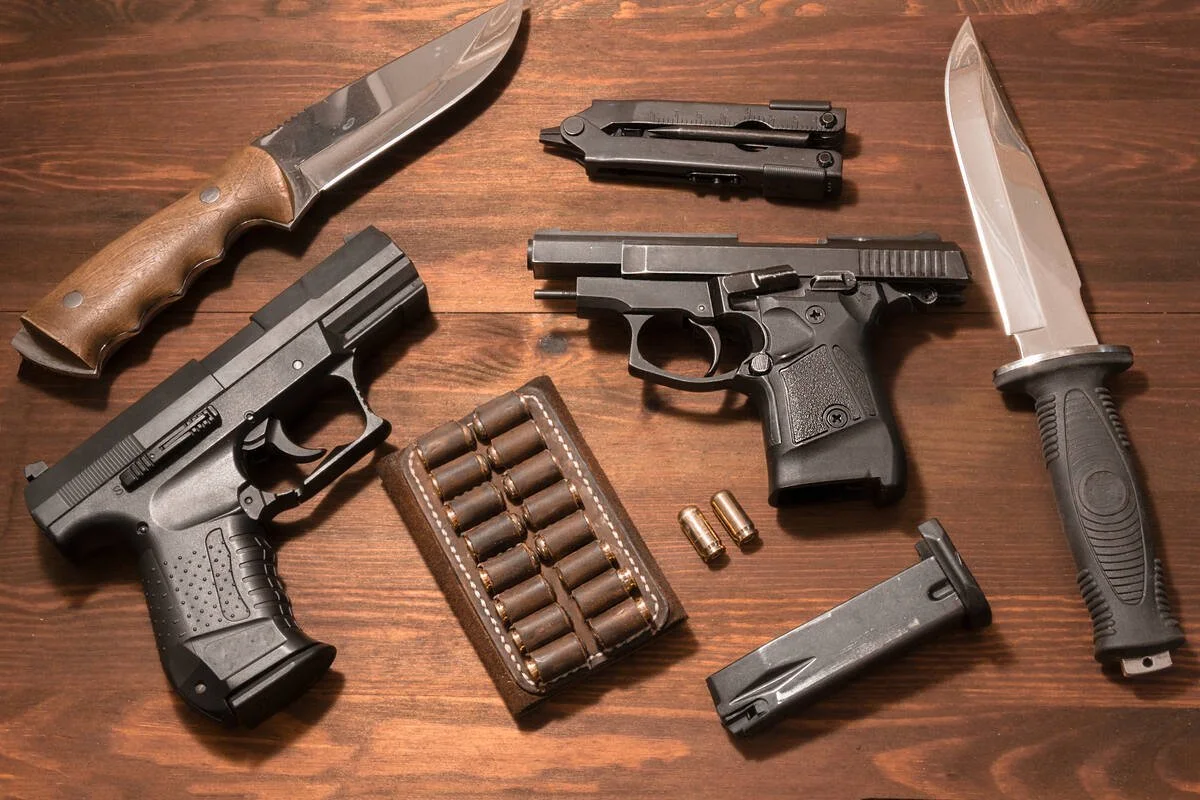
How Do Courts Decide Whether an Object Is a Dangerous Weapon?
When an ordinary object is involved, judges and juries have to consider all of the factors that led to the situation at hand. Relevant factors often include the object's size, weight, and condition; how the person held, aimed, swung, threw, or drove it; the force used and the part of the body targeted; any threats made during the incident; whether an injury resulted; and whether the alleged use was likely to cause death or great bodily harm. The specific considerations can vary depending on the object and the circumstances.
Two points matter. First, a serious injury can support the prosecution's case, but an injury is not always required. Second, the question is not simply whether an object could hurt someone; the State must connect its nature and manner of use to a real risk of death or great bodily harm. The determination may ultimately be one for the jury when the facts are disputed.
Why Does the Dangerous Weapon Classification Matter?
Assaulting another person with a dangerous weapon can be charged as second-degree assault, which is a felony under Minnesota law. Second-degree assault has different maximum penalties depending on whether the State alleges and proves substantial bodily harm.
| Minnesota Charge | Allegation | Maximum Penalty |
|---|---|---|
| Second-degree assault | Assault with a dangerous weapon | Up to 7 years and/or $14,000 |
| Second-degree assault | Dangerous weapon plus substantial bodily harm | Up to 10 years and/or $20,000 |
These figures are statutory maximums, not the sentence a person should expect in every case. Remember, substantial bodily harm (such as a fracture or a temporary but substantial injury) is a different, lesser category than great bodily harm (which is a permanent injury or disfigurement).
Minnesota assault law does not always require physical contact or an actual injury. It covers conduct intended to cause fear of immediate bodily harm or death, so pointing, displaying, or swinging a weapon can support an assault charge even without physical contact.
Whether an object legally qualifies as a dangerous weapon can determine whether an accusation becomes a serious felony. This is why it is important to have a skilled assault defense lawyer who can question the use and intention of the object to challenge whether it can even be considered a “dangerous” weapon.
If you have been charged with assault with a dangerous weapon, contact Lushanko Law today to schedule a free consultation.
Mandatory Minimum Sentences May Apply
For certain listed offenses, Minnesota's mandatory-minimum statute may come into play, if convicted. Using a dangerous weapon other than a firearm can carry a minimum of one year and one day, while using a firearm can carry a minimum of three years, with higher minimums possible for repeat offenses.
These minimums depend on the offense, weapon findings, any qualifying prior dangerous-weapon or firearm offense, and whether the court is legally permitted to depart from the minimum. The statute also provides a mechanism in certain circumstances for a defendant to be sentenced without regard to the mandatory minimum when the required statutory conditions are met.
It’s also important to note that a dangerous-weapon allegation can also affect other criminal charges, including certain robbery and riot offenses, and can result in increased penalties or mandatory minimum sentences when the applicable statute provides for them.
The good news is, these minimums are only applied if you are convicted of a qualifying offense. A skilled defense attorney will often work to strike a deal to reduce the charges or take the case to trial.
How Can a Dangerous Weapon Allegation Be Challenged?
Every case is different, but there are several strategies for challenging a dangerous weapon charge.
The Object Did Not Meet the Definition
The defense may argue that the object was not designed as a weapon, was not capable of causing death or great bodily harm, or was not used in a way likely to cause that level of injury. In some cases, the prosecution relies on speculation rather than the actual circumstances.
The State Cannot Prove an Assault
A second-degree assault charge based on a dangerous weapon still requires the State to prove the elements of assault. The defense may dispute whether the accused intended to cause fear of immediate harm or death, or intended to inflict or attempt to inflict bodily harm. Accidental contact, or merely possessing an object, is not automatically an assault.
Self-Defense or Defense of Another
Reasonable force can be justified, but these cases are highly fact-specific, and Minnesota's duty-to-retreat rules matter especially when a person displays or threatens another with a weapon. In State v. Blevins (2024), the Minnesota Supreme Court held that a person claiming self-defense generally must retreat when reasonably possible before resorting to violence with a device designed as a weapon and capable of causing death or great bodily harm. The Court expressly described its holding as narrow, so the case does not establish a universal duty to retreat in every Minnesota self-defense case.
Weak Evidence or an Unlawful Search
Other issues can undercut the state's case: conflicting witness statements, video that contradicts the accusation, an object that was never recovered or connected to the defendant, an unlawful search, or statements taken in violation of constitutional rights. No single defense guarantees dismissal, but each can help weaken a charge.
What Should You Do After a Dangerous Weapon Charge?
Do not try to explain the incident to police without an attorney. Preserve videos, photographs, messages, witness information, and any damaged property. Do not contact the alleged victim if a no-contact condition applies. Follow any court-ordered weapon-surrender requirements, and contact a defense lawyer immediately for guidance on complying without making unnecessary statements or waiving your rights. Because the dangerous-weapon element can decide how serious the charge becomes, review it right away.
Dangerous Weapon vs. Deadly Weapon
Minnesota's criminal statutes generally use the term ‘dangerous weapon.’ Although people sometimes use ‘deadly weapon’ interchangeably in everyday speech, the statutory definition that matters in Minnesota assault cases is ‘dangerous weapon’ under Minn. Stat. § 609.02, subd. 6.
Speak With a Minneapolis Assault and Weapons Defense Lawyer
If you are facing an assault charge in Minneapolis, it’s time to contact an experienced criminal defense lawyer at Lushanko Law. Not only do we have extensive experience handling weapons charges, but we can help guide you through the process and determine whether we should fight the charges or negotiate a deal.
All consultations are free, and you will be able to speak directly with your attorney right away. No paralegals or receptionists, just answers from an expert.
Contact Lushanko Law today to schedule your free consultation.