Can Police Search Your Car Without a Warrant in Minnesota?
Yes, police in Minnesota can search your car without a warrant, but only in specific situations. These exceptions to the warrant requirement come up frequently during traffic stops, especially in cases involving drugs or weapons. If officers step outside those legal boundaries, the evidence they find may be challenged and potentially thrown out.
If you are facing criminal charges after a vehicle search, understanding whether that search was lawful is one of the most important parts of your defense.
The General Rule: Warrants Are Required, but There Are Exceptions
The starting point under the Fourth Amendment is simple: police need a warrant to search your property. However, courts have recognized several exceptions, particularly when it comes to vehicles. Because cars are mobile and operate in public spaces, law enforcement has more flexibility than they would when searching a home.
That said, this flexibility is not unlimited. In Minnesota, warrantless vehicle searches must fall within clearly defined exceptions. The most common include searches based on:
Probable cause
Consent searches
Plain view seizures
Inventory searches
Instrumentality of a crime
Limited protective searches for weapons
Searches incident to arrest
Whether a search is valid often depends on very specific facts, which is why these cases are so frequently challenged.
1) Probable Cause
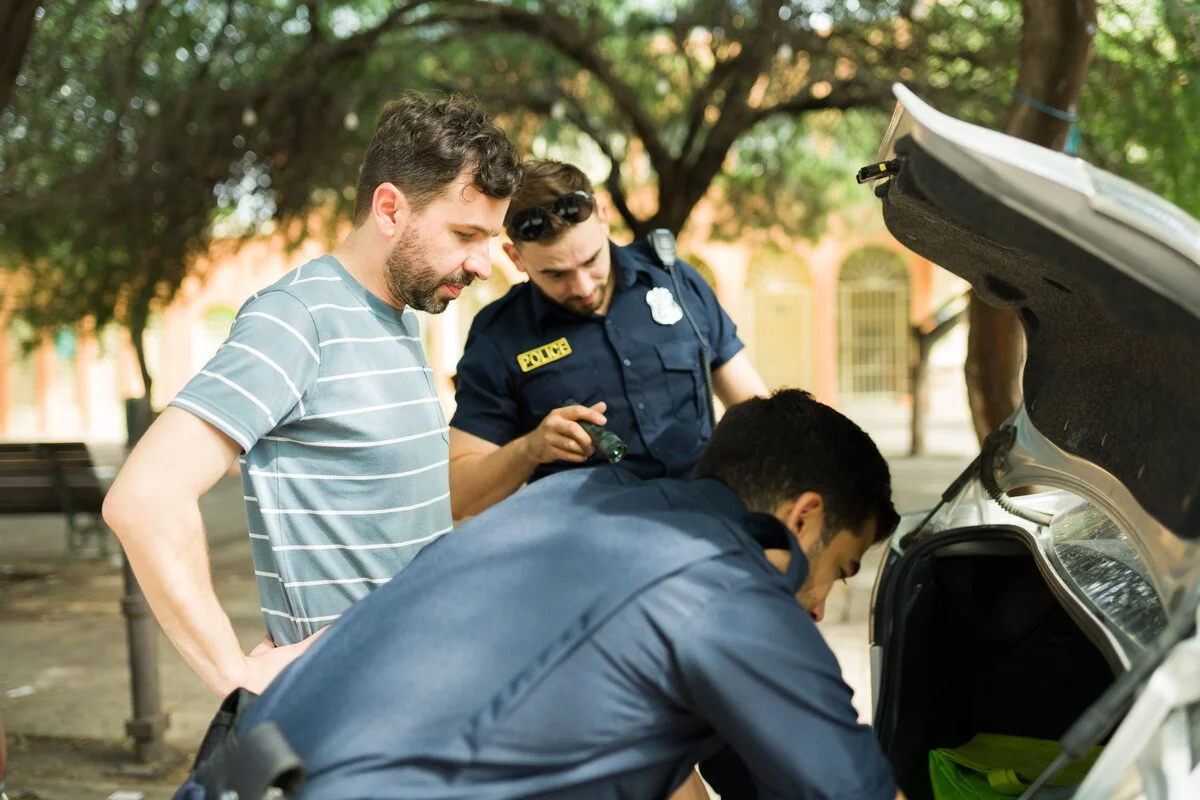
When people ask when police can search your car without a warrant, the most common answer is when officers have probable cause to believe the vehicle contains evidence of a crime.
Probable cause requires more than a vague suspicion. Officers must be able to point to specific facts that suggest criminal activity. In real-world situations, this might include:
Visible contraband or drug paraphernalia in plain view
Statements or admissions made by the driver or passengers
The odor of controlled substances, when considered with other indicators under the totality of the circumstances
A positive alert from a properly trained and certified K-9 unit during a lawful traffic stop
Once probable cause is established, police are allowed to search any part of the vehicle where the suspected evidence could reasonably be located. This can include the passenger compartment, containers inside the vehicle, and the trunk. For example, if an officer detects the odor of a controlled substance and observes drug paraphernalia in plain view during a traffic stop, that combination may establish probable cause to believe additional contraband is present in the vehicle, which would justify an expanded search of the vehicle.
This type of search is often referred to as the automobile exception, and it is one of the most frequently used justifications in drug and weapon cases.
2) Consent Searches
One of the simplest ways police can search a car without a warrant is by asking for permission. If you consent to a search, officers do not need probable cause or any other justification.
This is extremely common during traffic stops. Officers may ask in a way that feels routine or informal, which can make it seem like compliance is required. In reality, you have the right to refuse.
Consent must be voluntary, but courts often give officers the benefit of the doubt unless there is clear evidence of coercion. Once consent is given, officers can search the areas you have allowed, and anything they find can be used against you. Although it is possible to withdraw consent, anything illegal discovered before withdrawal can justify a continued search.
This is one of the most important areas where people unintentionally give up their rights.
3) Plain View Seizures
Police do not need a warrant to seize evidence that is clearly visible from a lawful vantage point. This is known as the plain view doctrine.
For this to apply, the officer must be legally in a position to see the item, and its illegal nature must be immediately obvious. For example, if an officer looks through a car window during a lawful stop and sees drugs or an unlawfully possessed firearm on the seat, they can seize that evidence and search your vehicle without a warrant.
In many cases, plain view is what leads to probable cause. Once an officer observes something illegal in plain sight, that observation can justify a broader search of the vehicle.
4) Inventory Searches
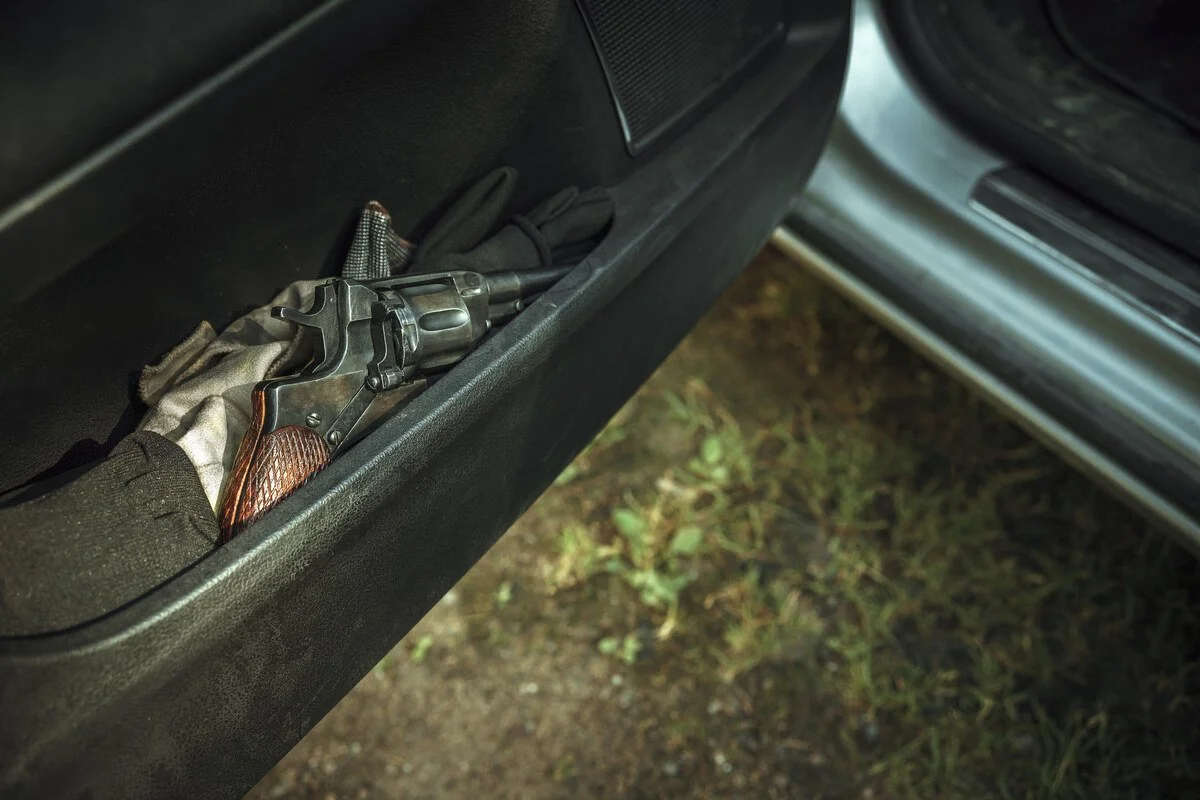
If your vehicle is going to be impounded after a lawful stop or arrest, police are allowed to conduct an inventory search. This type of search is not supposed to be investigative. Instead, it is meant to document the contents of the vehicle, safeguard your property, and protect law enforcement from claims of theft or loss.
Even though the purpose is administrative, any illegal items discovered during an inventory search can still be used as evidence in a criminal case.
However, inventory searches must follow standardized procedures. If officers use the process as a pretext to search for evidence rather than to document property, that may provide grounds to challenge the search in court.
5) Instrumentality of a Crime
Police in Minnesota can also search your car without a warrant if it is believed to be an instrumentality of a crime. This means the vehicle itself is thought to have been used in committing a crime or played a direct role in it.
This commonly arises in situations like:
Drive-by shootings
Getaway vehicles used in robberies
Fleeing law enforcement
If officers have probable cause to believe your vehicle was involved, they may search it without a warrant because the car is considered part of the alleged criminal activity where evidence could be discovered.
For example, if police believe a vehicle was used in a drive-by shooting, they may search it for shell casings, firearms, or other related evidence. Similarly, if a car is believed to be a getaway vehicle in a robbery, officers may search it even if there is no indication of what evidence will be found inside.
As with other exceptions, probable cause is still required. Officers must be able to point to specific facts linking the vehicle to the crime. This exception is tied closely to the nature of the alleged offense itself, not just whether evidence is likely to be inside the vehicle.
6) Protective Weapons Searches
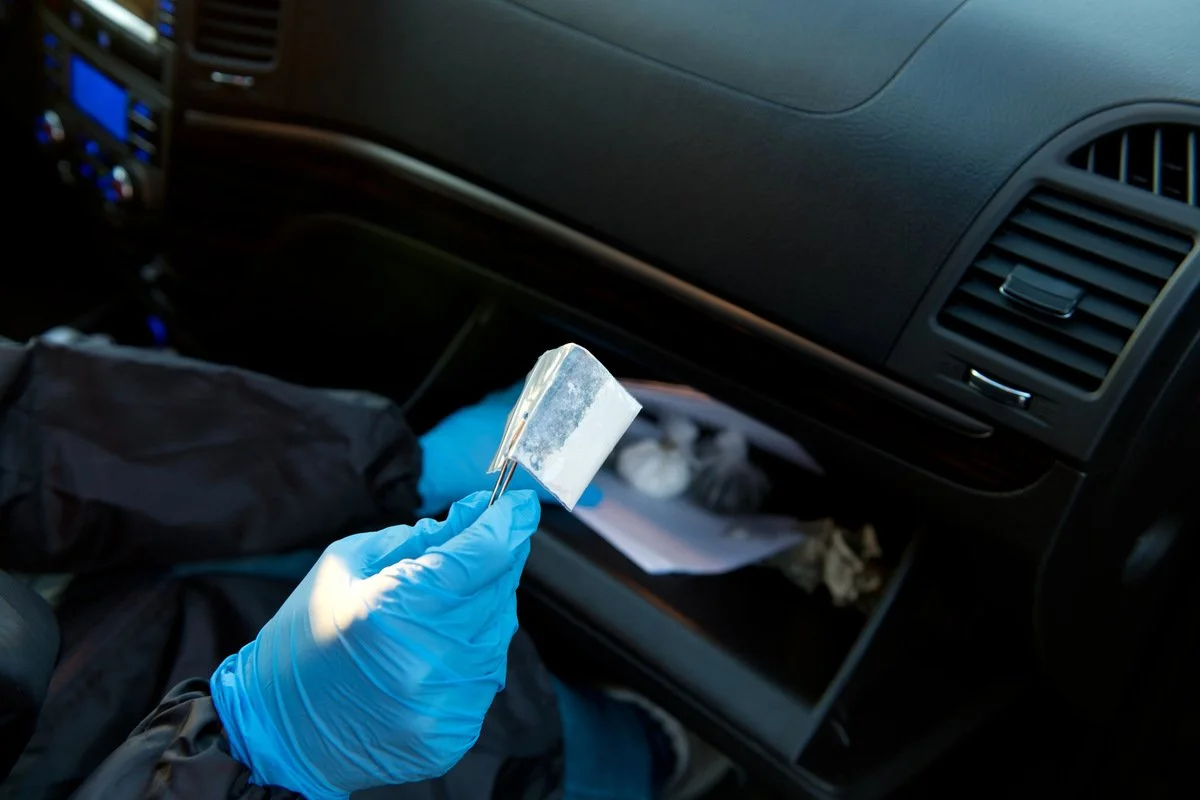
In situations where officers believe there may be a safety risk, they are allowed to conduct a limited search of a vehicle for weapons. This is often referred to as a protective sweep.
This type of search is based on officer safety and is limited in scope. Officers can only look in areas where a weapon might be hidden and easily accessed, such as under a seat or inside a center console. It does not allow for a full search of the vehicle unless something is found that creates probable cause for a broader search.
For example, if an officer observes suspicious movements suggesting someone may be hiding a weapon, and an empty gun holster is found within plain view, that can justify a limited search to ensure the situation is safe.
7) Search Incident to Arrest
Another exception applies when police make a lawful arrest during a traffic stop. In these situations, officers may be able to search parts of the vehicle, but the scope of that search is more limited than many people assume.
In Minnesota, officers can search the passenger area of a vehicle if:
The person being arrested could access the passenger area of the vehicle and any containers in the vehicle, or
If there’s reason to believe the vehicle contains evidence related to the offense of arrest.
This means the justification for the search must be tied directly to the arrest itself.
In practice, this exception does not come up as often as others. Courts have made clear that if a person is secured, such as being handcuffed in the back of a squad car, a search of the vehicle will not be justified under this exception alone.
For example, if someone is arrested for a weapons-related offense during a traffic stop and officers reasonably believe additional evidence related to that offense may be inside the vehicle, a limited search of the passenger area may be justified.
Because this exception is uncommon and narrower than it used to be, it is often a point of legal challenge in criminal cases.
Vehicle Searches During DWI Stops
Vehicle searches frequently arise during DWI stops in Minnesota, but a DWI investigation alone does not automatically justify searching a car.
During a typical DWI stop, officers may ask the driver to exit the vehicle and may conduct field sobriety tests while observing for signs of impairment. A warrantless vehicle search is only permitted if officers develop probable cause to believe the vehicle contains evidence of a crime, based on the totality of the circumstances. Factors such as the presence of open containers of alcohol, drug paraphernalia, the odor of alcohol or controlled substances, or admissions by the driver may contribute to probable cause. However, some of these factors by themselves do not justify a full vehicle search.
Searches may also happen if the vehicle is impounded and subject to an inventory search, which is the most common justification for searching a vehicle during a DWI stop.
It is not uncommon for a DWI stop to lead to additional charges if drugs or weapons are discovered during a lawful search.
What Happens If Police Searched Your Car Illegally?
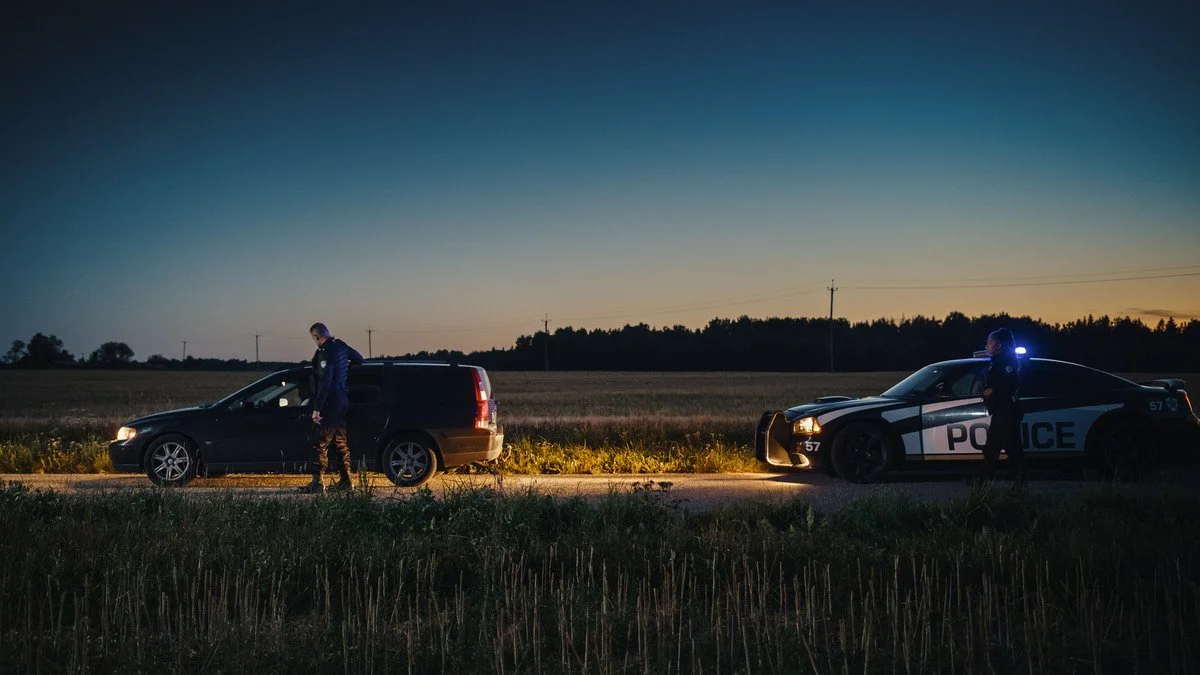
If a vehicle search does not fall within one of the recognized exceptions, it may be unconstitutional. In those cases, a defense attorney can file a motion to suppress the evidence obtained during the search.
If the court agrees that the search was unlawful, the evidence stemming from the search should be excluded from the case. This can significantly weaken the prosecution’s position and, in some cases, lead to reduced charges or a complete dismissal.
These challenges often come down to very specific details, such as what the officer observed, what was said during the stop, and whether proper procedures were followed. Even small inconsistencies can make a difference.
Why This Matters in Drug and Weapon Cases
Many drug and firearm charges in Minnesota begin with a routine traffic stop. Something as minor as speeding or a broken taillight can quickly escalate if officers believe there is evidence of criminal activity.
Once a search occurs, law enforcement may uncover controlled substances, illegally possessed firearms, or other evidence that leads to serious charges. In some cases, what started as a simple citation can turn into a felony-level offense.
Because of this, the legality of the search is often one of the most critical issues in the case. If the search was not justified, the evidence may not be allowed in court.
Let Lushanko Law Handle Your Case
If you were charged with a drug crime or weapon offense after a vehicle search in Minnesota, you shouldn’t automatically assume the search was lawful.
At Lushanko Law, we take a close look at every detail, including whether the stop was valid, whether probable cause actually existed, and whether your rights were violated during the search.
If law enforcement overstepped, we’ll fight to have that evidence suppressed.
Contact Lushanko Law today to schedule a free consultation and get clear, straightforward guidance on your options moving forward.