In Minnesota, domestic assault occurs when someone intentionally causes or attempts to cause bodily harm to a family or household member, or acts to make that person fear immediate bodily harm or death.
A first-time domestic assault charge is generally a misdemeanor punishable by up to 90 days in jail and a $1,000 fine. A qualifying domestic violence-related conviction or juvenile adjudication within the previous ten years can elevate the offense to a gross misdemeanor. Two or more qualifying prior offenses can result in a felony charge carrying up to five years in prison and a $10,000 fine.
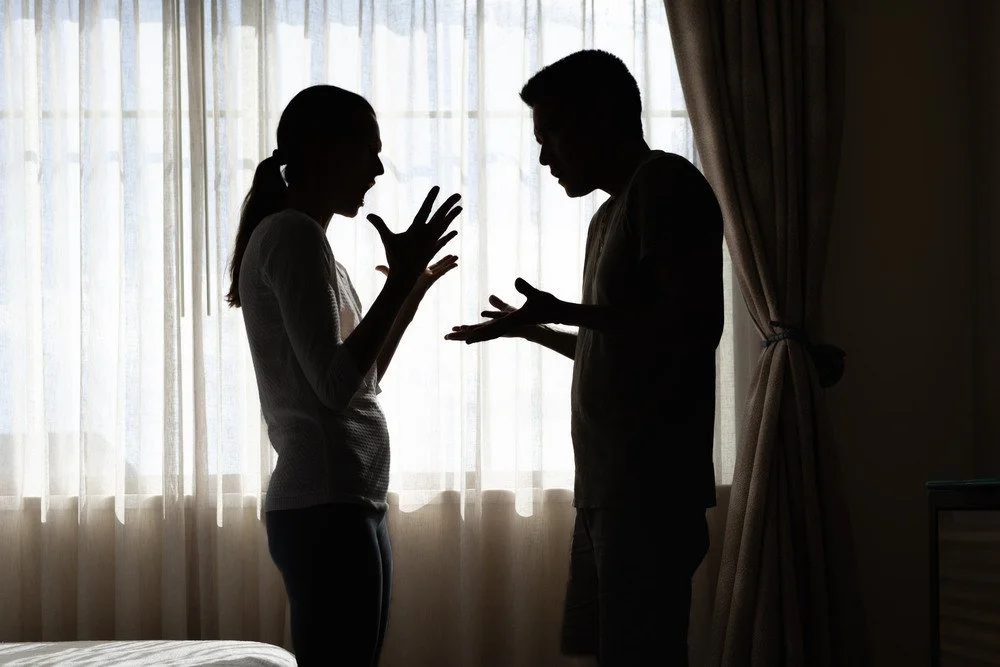
It’s important to note that physical injuries are not required for a domestic assault charge to stick. Sometimes threatening words or gestures intended to cause fear of immediate harm can be sufficient. This is why it’s important to consult a Minnesota domestic assault lawyer before you say anything incriminating. Here’s what you need to know about domestic assault in Minnesota.
What Is Considered Domestic Assault in Minnesota?
Minnesota Statute § 609.2242 makes it a crime to commit either of two acts against a family or household member. The first is acting with the intent to cause that person to fear immediate bodily harm or death, so a charge can rest entirely on words, gestures, or threatening behavior without any physical contact at all.
The second is intentionally inflicting or attempting to inflict bodily harm, and Minnesota defines bodily harm broadly enough to include physical pain, so the absence of a visible mark does not stop prosecutors from filing a charge.
Both forms of domestic assault require proof of intent. Depending on the charge, prosecutors must establish either that the accused intended to cause fear of immediate bodily harm or death, or that the accused intentionally inflicted or attempted to inflict bodily harm. Accidental contact, without the required intent, generally does not establish domestic assault.
Who Qualifies as a Family or Household Member?
The definition comes from Minnesota's Domestic Abuse Act and reaches well beyond married couples, including spouses and former spouses, parents and children, other relatives by blood, people who live together or have lived together in the past, people who share a child, and people in a significant romantic or sexual relationship, whether current or past. For dating relationships, courts weigh how long it lasted, what kind of relationship it was, how often the two interacted, and how long ago it ended.
A few examples show how broadly the law can apply:
Shoving a roommate during an argument over rent, even if the roommate is not hurt
Raising a fist at an ex-partner in a way meant to make them believe they are about to be struck
Grabbing a spouse's wrist hard enough to cause pain while trying to take away their phone
Each of these could support a charge even though none involves a serious injury, and the second involves no contact at all. Whether the conduct actually meets the legal definition depends on intent, context, and the evidence.
What Are the Penalties for Domestic Assault in Minnesota?
Minnesota grades domestic assault at three levels based mainly on the accused person's prior record, though conduct causing more serious injuries can bring separate assault charges.
| Charge Level | When It Applies | Maximum Jail or Prison | Maximum Fine |
|---|---|---|---|
| Misdemeanor | No qualifying prior offense within ten years | 90 days | $1,000 |
| Gross misdemeanor | One qualifying prior offense within ten years | 364 days | $3,000 |
| Felony | Two or more qualifying prior offenses within ten years | 5 years | $10,000 |
These figures are statutory maximums, and many people receive far less, particularly on a first offense, though court-ordered conditions can last much longer than any jail time.
First-Time Domestic Assault Charges
Most first-time domestic assault charges are filed as misdemeanors. A conviction can bring up to 90 days in jail and a fine, but judges frequently stay some or all of that jail time and place the person on probation instead.
Probation may include completing a domestic abuse program, following a no contact order, and avoiding alcohol or drugs, and violating those conditions can bring the stayed jail time back into play. Some first-time cases can be resolved through a continuance for dismissal or another agreement that avoids a conviction, though prosecutors are not obligated to offer one.
When Does Domestic Assault Become a Felony?
A domestic assault charge becomes a gross misdemeanor when it occurs within ten years of a previous qualified domestic violence-related offense conviction or juvenile adjudication, and it becomes a felony when it occurs within ten years of the first of two or more such convictions or adjudications.
Qualifying offenses include prior domestic assault, other degrees of assault, violations of an order for protection or no contact order, stalking, terroristic threats, and similar convictions from other states, and the earlier conviction does not need to involve the same person.
Domestic assault by strangulation is a separate felony under Minnesota Statute § 609.2247 that can be charged against someone with a clean record. It covers intentionally impeding breathing or blood circulation by pressing on the throat or neck or blocking the nose or mouth, and it carries up to three years in prison and a $5,000 fine.
A domestic assault conviction can also result in serious restrictions on firearm possession. Under Minnesota law, a person convicted of domestic assault is generally prohibited from possessing firearms for three years. If a firearm was used during the assault, the court could impose a longer prohibition, including a lifetime ban. Minnesota law also requires firearm transfers in certain domestic assault cases, and federal law may impose additional restrictions that extend beyond the state prohibition. Because these consequences depend on the conviction and the circumstances, anyone facing domestic assault charges who owns firearms should discuss these restrictions with an attorney.
The conviction also creates a public record that landlords and employers can see, and it can become the prior offense that turns a future accusation into a gross misdemeanor or felony.
If you have been charged in Minneapolis or anywhere in Minnesota, Lushanko Law can review your case, explain how serious your charges are, and what to do next. Call 952-818-6376 or contact us online for a free consultation.

What Happens After a Domestic Assault Arrest?
Police often make an arrest at the scene when they believe a domestic assault occurred, even if the other person does not want anyone taken into custody. Depending on the circumstances, the accused may be released or held in custody until their first court appearance, where a judge addresses bail and conditions of release.
At that appearance, the judge also reviews the charge and frequently issues a no contact order. In Minneapolis, misdemeanor and gross misdemeanor domestic assault cases are prosecuted by the city attorney's office, while felony cases go to the Hennepin County Attorney's Office, and both are heard in Hennepin County District Court.
Pretrial hearings follow, where the defense receives police reports, body camera footage, and 911 recordings and can file motions challenging that evidence. Most cases end in a dismissal, a negotiated agreement, or a trial, depending heavily on what the evidence shows.
Can You Contact Your Spouse or Return Home?
A judge may issue a Domestic Abuse No Contact Order (DANCO) under Minnesota Statute § 629.75 or impose other no-contact restrictions as conditions of release. These orders can prohibit the accused from contacting the alleged victim while the criminal case is pending and, in some circumstances, after sentencing. The restrictions may include phone calls, text messages, social media contact, and messages sent through other people.
When the protected person lives in the same home, the order often means the accused person cannot return there until it is modified or lifted, and, depending on the order, retrieving personal belongings may require arranging supervised access with law enforcement.
The protected person cannot waive a DANCO, and their consent does not make contact legal. Even if your spouse invites you home or calls you first, contact prohibited by the order can result in new criminal charges.
The only safe route runs through the court, where an attorney can file a motion asking the judge to modify the order, for example to allow limited contact about children, shared finances, or a household both people depend on.
Can Domestic Assault Charges Be Dropped in Minnesota?
In Minnesota, the decision to pursue or dismiss a domestic assault charge belongs to the prosecutor, not the alleged victim. The case is filed in the name of the State of Minnesota, so a partner who refuses to cooperate or says the incident was exaggerated cannot end it on their own.
Prosecutors expect this in domestic cases and often build their evidence around sources that do not depend on the alleged victim, such as 911 recordings, body camera footage, photographs, and statements made to officers at the scene.
A recantation can still change the outcome. It may weaken the state's ability to prove intent or bodily harm, and constitutional limits restrict how prosecutors can use certain statements from a witness who does not testify.
Dismissal is a real possibility in many cases, but it is never guaranteed, and assuming the case will simply go away is one of the most common mistakes people make.
How to Fight Domestic Assault Charges?
Defending against domestic assault charges in Minnesota starts with a close review of the evidence the state is relying on and whether it actually proves each element of the offense. A defense attorney examines the police reports, 911 call, and body camera footage and compares every account of the incident for gaps or contradictions, since these cases often depend on a few seconds between two people.
Several defenses come up regularly:
Self-defense or defense of others is using reasonable force to protect yourself or another person from harm. Minnesota generally does not require someone to retreat from their own home before acting in self-defense, even when the other person lives there. However, the force used must still be reasonable under the circumstances, and different rules may apply outside the home.
Lack of intent is another, since accidental contact, such as bumping someone while leaving a room or pulling away from a grab, is not an intentional act, and a fear-based charge requires proof the person meant to cause fear.
False allegations or inconsistent statements can complicate domestic assault cases, particularly when the people involved have conflicting accounts of what happened. Differences between what someone told the 911 dispatcher and what they later told officers can also undermine the accusation.
Insufficient evidence to establish guilt beyond a reasonable doubt, particularly when witness accounts conflict or other evidence contradicts the allegations.
Outside evidence often shows which defense is strongest. Imagine a case where one partner reports being shoved, but a doorbell camera in the hallway shows the other partner backing away with hands raised while the accuser follows.
Text messages sent later that night saying the accuser "just wanted them out of the house" could then suggest a motive to exaggerate. Preserving that kind of evidence early, before texts are deleted or security camera footage is overwritten, can decide how the case ends.

What Should You Do if You're Facing Domestic Assault Charges?
Follow every court order exactly as written, including any DANCO and conditions of release, even when the other person reaches out to you first. Write down your own account of the incident while it is fresh, and save texts, call logs, photos, and the names of anyone who witnessed what happened or saw the aftermath.
Avoid discussing the case on social media, and never ask friends or family to pass along messages, since that can be treated as prohibited contact. If you own firearms, ask your attorney how the court's orders affect them before you move or transfer anything.
Above all, talk to a Minnesota criminal defense attorney before speaking with police or investigators so you understand what to say and how to begin building your defense.
Speak With a Minnesota Domestic Assault Lawyer
A domestic assault charge can affect your home and family long before the case reaches a courtroom. Lushanko Law defends people facing misdemeanor and felony domestic assault charges throughout Minnesota. Every case is handled personally by founder Trevor Lushanko and is treated as a priority rather than being passed between staff.
Call our office today at 952-818-6376 or reach out online for a free consultation.